
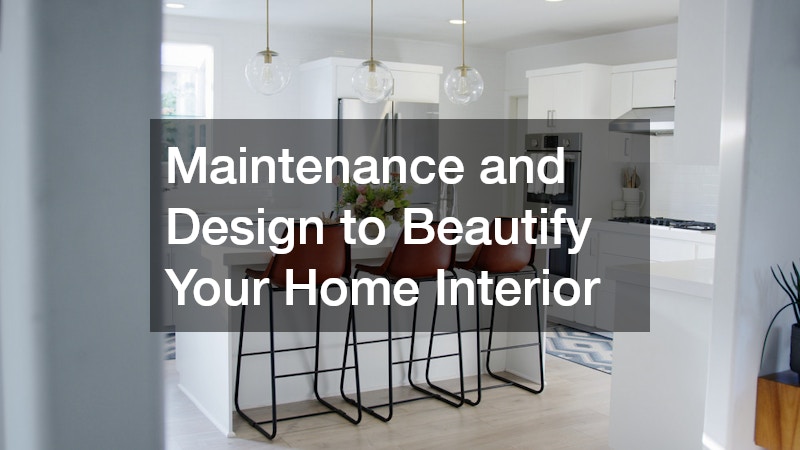
A beautiful home is often mistaken for a static achievement—a finish line reached once the last piece of furniture is placed and the final coat of paint dries. However, true interior beauty is a living, breathing ecosystem. It is the intersection where high-end design meets meticulous preservation. When we neglect the “bones” of our home, even the most expensive Italian leather sofa or custom-made cabinetry loses its luster. A layer of dust, a cracked wall, or a cluttered corner can act as visual noise, drowning out the aesthetic harmony you’ve worked so hard to create.
Creating an enviable interior requires a dual-track mindset. On one hand, you have the visionary aspect: selecting color palettes, textures, and layouts that reflect your personality. On the other, you have the stewardship aspect: the rhythmic maintenance tasks that ensure those design choices remain pristine. This guide explores how to integrate deep maintenance with thoughtful design to cultivate a home that isn’t just a showroom, but a sanctuary of lasting elegance.
Flawless Walls and Structural Health

Before you can hang a gallery wall or install designer sconces, the “canvas” of your home—the walls themselves—must be perfect. Any interior designer will tell you that light is the harshest critic; it reveals every bump, seam, and crack in your vertical surfaces. If your home has aging plaster or damaged surfaces from years of wear, a professional drywall installation is the most effective way to reset the room. Smooth, flat walls allow paint to reflect light evenly, creating that crisp, high-end look found in luxury penthouses.
However, beauty is also about what you can’t see—or rather, what you want to ensure never appears. Moisture is the ultimate enemy of interior design. It can warp wood, peel wallpaper, and create health hazards. Regular inspections of your home’s envelope are crucial. If you spot fuzzy black spots or catch a musty scent in the basement or laundry room, immediate mold removal is non-negotiable. Remediating these issues doesn’t just protect your health; it protects the integrity of your finishes. There is no point in investing in premium silk wallpaper if a hidden leak and subsequent fungal growth are going to ruin it within a year.
Tips for Wall Perfection:
- The Flashlight Test: Shine a light parallel to your walls to find hidden imperfections before painting.
- Vapor Barriers: Ensure your home is properly sealed to prevent humidity from compromising your structural updates.
- Corner Beads: Use high-quality metal or plastic corner beads during renovations to ensure sharp, clean lines that define the room’s architecture.
Resilient and Radiant Flooring
The floor is the largest uninterrupted surface in any room, meaning it sets the tone for the entire design scheme. While hardwood and stone are classic choices, modern design has embraced industrial chic and seamless finishes that offer both durability and high-gloss appeal. In spaces like finished basements, workshops, or modern kitchens, an epoxy floor coating provides a glass-like finish that is virtually indestructible. This material reflects light upward, brightening rooms that might otherwise feel dim, and it offers a level of customization—from metallic flecks to solid minimalist tones—that traditional flooring can’t match.
Beyond the aesthetics of the floor itself, the health of the room depends on what lies beneath and within the systems that service it. A clean floor is only half the battle if the air circulating above it is laden with debris. To maintain the “just-cleaned” look of your furniture and floors, you must look to the ventilation. Scheduling a professional air duct cleaning ensures that the fine particulate matter, pet dander, and construction dust from your last renovation aren’t being redistributed across your surfaces every time the furnace kicks on. It is the ultimate “hidden” maintenance task that keeps your home’s interior looking vibrant and smelling fresh.
Light, Air, and Longevity

Light is the most powerful tool in a designer’s kit, but it is also a destructive force. Ultraviolet rays can fade expensive rugs, “sun-bleach” hardwood floors, and cause fabrics to become brittle over time. To protect your investment while still enjoying natural light, consider high-performance window tinting. Modern films are nearly invisible, allowing you to maintain your view without the heat gain or the damaging UV exposure. It’s a subtle upgrade that pays dividends by preserving the rich colors of your interior decor for decades.
Maintenance of the air quality goes hand-in-hand with light control. While many homeowners change their filters regularly, a more comprehensive duct cleaning service is often required to remove the heavy buildup that accumulates in corners of the HVAC system over years of occupancy. This is especially vital after any interior construction. By keeping the internal systems of the home pristine, you reduce the “graying” effect that dust has on white upholstery and light-colored dered drapes, ensuring that your color palette remains as vivid as the day it was installed.
How Atmosphere Affects Design:
- Color Accuracy: Dust-free air and UV-filtered light ensure your paint colors look “true” throughout the day.
- Thermal Comfort: Tinted windows help maintain a consistent temperature, making your beautiful rooms more livable.
- Odor Neutralization: Deep system cleaning removes the source of stale smells, making the home feel truly luxurious.
Curating the Living Space
Once the “shell” of the home is maintained and optimized, you can focus on the functional art that fills it. Every living room needs a focal point that balances technology with style. A custom-designed entertainment center serves this purpose by housing your screen and sound system while hiding the chaotic tangle of wires that often plagues modern homes. Look for designs that offer “closed” storage for gadgets and “open” shelving for curated decor like books, ceramics, or travel mementos. This allows the room to feel organized and intentional rather than cluttered by electronics.
As trends shift, you don’t always need to buy new furniture to keep your home looking modern. In fact, high-quality vintage frames often have better structural integrity than modern mass-produced items. Engaging in furniture upholstery allows you to customize a piece to your exact color scheme. Choosing a high-performance, stain-resistant velvet or a classic linen can transform a dated armchair into a contemporary statement piece. This is the epitome of sustainable design: maintaining the bones of a great piece of furniture while refreshing its outward appearance.
Design Tips for Living Areas:
- Cable Management: Use grommets and hidden channels in your cabinetry to keep power cords out of sight.
- Textile Selection: Mix textures (e.g., a smooth leather sofa with a chunky knit throw) to create visual depth.
- Scale and Proportion: Ensure your media unit is appropriately sized for your wall—too small and it looks lost; too large and it overwhelms the room.
Merging Wellness and Bedroom Design
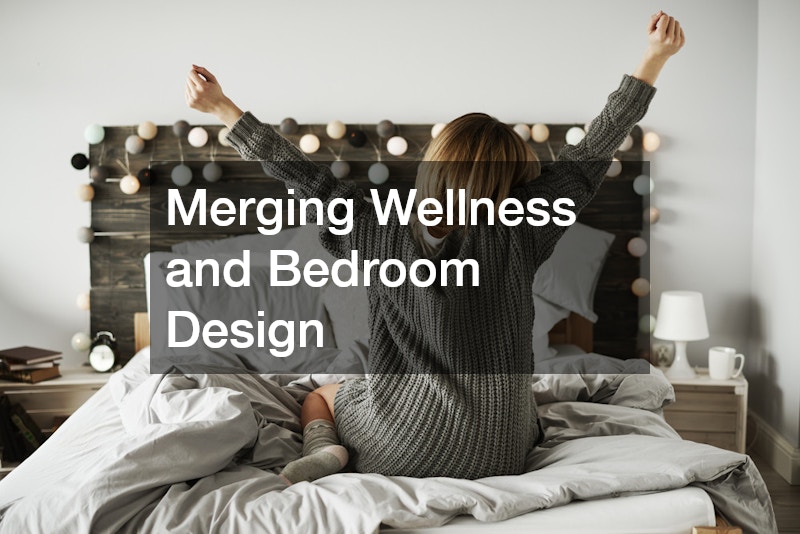
The bedroom is often considered the most intimate and personal space within a home, acting as a sanctuary where one can retreat after a long day. With this in mind, its design needs to focus on enhancing rest and facilitating recovery. Modern bedroom design trends have leaned toward incorporating “invisible technology”—these are innovative features that significantly enhance your quality of life while blending seamlessly into the decor without resembling cumbersome medical equipment. A perfect example of this evolution is seen in the way adjustable beds have transitioned. Once primarily associated with hospital settings, these beds have now become coveted features within luxury home design. Today’s adjustable beds often boast upholstered bases and streamlined profiles, allowing them to integrate effortlessly with sophisticated designer bed frames, thus maintaining both functionality and aesthetic appeal.
To preserve a tranquil environment that supports both wellness and upscale design, here are several thoughtful strategies to consider for your bedroom:
- Ergonomic Integration: Opt for bed frames that can accommodate articulated mattress bases. These frames should sustain a sleek, low-profile, modern silhouette, ensuring your room retains its stylish aesthetic while also providing the health benefits of supportive sleep positions.
- De-Cluttering for Sleep: Enhance your sleep environment by eliminating both mental and physical clutter. This can be achieved by moving seasonal and bulky items out of the bedroom. An effective solution is the installation of overhead garage storage, which provides a specific area to store items like suitcases and winter apparel. This organization strategy keeps your bedroom closets tidy and uncluttered, promoting a sense of calm and relaxation.
- Soft Lighting Layers: Introduce lighting that supports a restful atmosphere. Utilize dimmable bedside lamps alongside integrated LED strips under the furniture to craft layered lighting effects. This method creates a gentle, inviting glow reminiscent of the natural sunset, conducive to unwinding and preparing for a restful night’s sleep.
- Symmetry and Balance: Achieving a sense of harmony in the bedroom can be accomplished by employing symmetrical design elements. This includes using matching nightstands on either side of the bed and introducing weighted decor pieces. Such additions help to ground the bed, reinforcing its role as the central focal point of the room, and thus enhancing the overall ambiance of a tranquil sanctuary.
The Utility of Space
Efficiency is a form of beauty. When a home functions well, it radiates a sense of order that guests can feel the moment they walk in. This requires looking at underutilized areas and giving them a purpose. The garage, often the most neglected part of a home’s “interior,” can be transformed into a clean, organized extension of the living space. By clearing the floor and utilizing the ceiling for storage, you not only protect your belongings from potential floor-level water damage but also create a sense of pride in every corner of your property.
Inside the home, the same logic applies to your cabinetry and shelving. Maintenance in these areas means more than just dusting; it means editing. Every six months, go through your storage areas and remove items that no longer serve your lifestyle. A beautifully designed home is a curated one. Whether it is a kitchen pantry or a media wall, the goal is to ensure that every object has a designated home. This prevents the “clutter creep” that can make even the most professionally designed rooms feel claustrophobic and messy.
Strategies for Space Optimization:
- Vertical Thinking: Use the full height of your walls for shelving to draw the eye upward and make ceilings feel taller.
- Seasonal Rotation: Swap out heavy blankets and dark pillows for light linens and bright accents as the seasons change.
- Zoning: Define different areas of a large room using rugs and furniture placement to create “rooms within rooms.”
Sensory Design
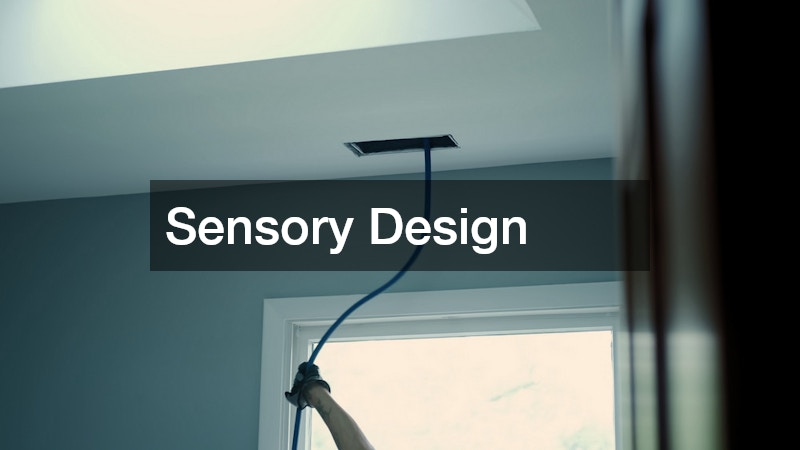
The final stage of beautifying your home involves the senses. Design is what we see, but maintenance is often what we feel and smell. A home that looks like a magazine spread but smells of old dust or feels drafty will never be truly beautiful. This is why technical tasks are so vital; they provide the invisible foundation upon which your visual design sits.
To ensure your home provides a complete sensory experience, consider the following:
- Tactile Quality: Regularly maintain your textiles, from professional cleaning to small repairs. Are the fabrics on your chairs soft and inviting, or are they pilled and worn? Ensuring touch-points are well-cared for adds a layer of luxury that sight alone cannot provide.
- Acoustic Comfort: A well-maintained HVAC system runs quietly in the background. Neglected systems can rattle or hum, breaking the peaceful atmosphere of your carefully designed interior.
- Olfactory Freshness: By ensuring vents are clear and dampness is remediated, you eliminate the source of stale smells, allowing your home to feel truly pristine and breathable.
- Atmospheric Stability: Consistent maintenance of seals and window treatments ensures the home feels cozy rather than drafty, supporting the psychological feeling of a “safe haven.”
Beautifying a home is a continuous journey of curation and care. It is a cycle where the work of a designer is honored by the diligence of the homeowner. By investing in the structural health of your walls and floors, ensuring the purity of the air you breathe, and choosing furniture that balances modern technology with classic craftsmanship, you create a space that transcends mere decoration.
A truly beautiful interior is one where the maintenance is so seamless that it becomes invisible, allowing the design to take center stage. When you walk into a room where the air is fresh, the light is soft and protected, and every piece of furniture is in its prime, you aren’t just looking at a room—you are experiencing the peace of mind that comes from a well-maintained life. Start with the foundations, clear the air, and then layer in the style that makes your house a home. The result will be a sanctuary that remains timeless, elegant, and vibrant for years to come.
