Environmental testing plays a crucial role in safeguarding public health and preserving ecological balance. Here, we explore how environmental testing benefits individuals and communities, and address common questions surrounding the practice.
What is Environmental Testing?
Definition and Purpose
Environmental testing involves the analysis of natural resources to evaluate their condition and detect the presence of pollutants or harmful substances. The primary purpose is to ensure that air, water, and soil meet safety standards essential for human health and ecological vitality. Such testing is critical in identifying contamination threats and instigating necessary actions to mitigate these threats.
Regular environmental testing alerts communities and industries about potential hazards that would otherwise remain unnoticed. By proactively identifying risks, environmental testing plays a preventive role in public and environmental health.
Types of Environmental Tests
Multiple categories classify environmental tests, each with its specified focus addressing diverse facets of natural resource evaluation. Air quality assessments typically measure pollutants such as volatile organic compounds (VOCs) and particulate matter. Water analysis examines parameters like pH levels, temperature, and the presence of microorganisms or chemicals. Soil testing investigates nutrient content as well as the presence of heavy metals or pesticides. Incorporating specialized tools, including environmental test chambers, ensures vertical precision and contributes to the integrity of test outcomes.
Significance of Testing
The significance of environmental testing cannot be understated in today’s rapidly industrializing world. It provides an empirical basis for enacting regulations aimed at pollution reduction and sustainability enhancement. Critically, testing helps in assessing the overall environmental health, contributing to informed decisions regarding urban planning and development. Non-compliance with established environmental standards can have devastating effects on human populations and biodiversity alike. Therefore, regular testing helps in promoting an understanding of ecological dynamics and the vital importance of maintaining a healthy environment.
Why is Environmental Testing Important?
Public Health Impact
Environmental testing makes a significant contribution to public health by identifying pollutants and contaminants in our surroundings. Airborne toxins, when inhaled, can exacerbate respiratory ailments, highlighting the need for frequent air testing. Water and soil tests prevent the consumption of contaminated resources that could degrade health over time. Moreover, deploying environmental test chambers ensures that these tests provide accurate, reliable data that can be used to safeguard communities. Early detection through testing is instrumental in preventing health crises and in maintaining overall community wellness.
Compliance with Regulations
Complying with environmental regulations is indispensable for industries and municipalities to avoid legal repercussions and potential fines. Environmental testing ensures these regulations are adhered to by identifying discrepancies between current environmental conditions and established laws. It acts as a benchmark for organizations striving to implement sustainable policies and practices. Regular testing guarantees that statutes protecting natural resources and public health remain effective and enforceable. Industry practices, guided by empirical data from environmental tests, help promote transparency and accountability.
Ecosystem Protection
Human activities, left unchecked, pose serious threats to delicate ecosystems, necessitating systematic testing to mitigate such impacts. Land, air, and water systems are intrinsically linked; contaminants in one medium can have cascading effects throughout the environment. Environmental testing helps in monitoring these interactions and facilitates targeted interventions to prevent ecosystem degradation. The use of environmental test chambers allows scientists to replicate specific environmental conditions to study their effects on wildlife and plant species. Studies driven by testing data advance our understanding of ecosystem resilience and facilitate sustainable management practices.
How Can You Benefit from Environmental Testing?
Health and Safety Advantages
Environmental testing directly contributes to enhanced health and safety standards for individuals and communities. By identifying and mitigating exposure to hazardous substances, it reduces the risk of health problems arising from environmental factors. Testing also informs safety protocols and emergency preparedness plans, offering proactive measures to protect public health. Test environments, controlled by environmental test chambers, help in understanding the specific impacts of pollutants on health. As environmental awareness increases, individuals stand to benefit greatly by engaging in and advocating for regular testing practices.
Financial and Economic Gain
Beyond immediate health benefits, environmental testing offers long-term economic advantages by preventing costly contamination emergencies. By identifying issues early, businesses and governments can avoid expenditure on cleanup operations and legal fees. The data from routine testing also supports strategic planning and resource management, increasing overall operational efficiency. As an investment, environmental testing can lead to savings and potential governmental incentives for compliance with environmental guidelines. Ultimately, the integration of sustainable practices resulting from testing drives positive economic outcomes.
Promoting Sustainability
Through comprehensive data, environmental testing highlights areas where sustainability measures can be integrated into everyday practices. Providing an empirical basis for actions, testing supports efforts to reduce ecological footprints and promote environmental stewardship. Businesses, in particular, benefit by aligning practices with sustainable standards, bolstering corporate social responsibility. Public awareness campaigns reinforced by testing data encourage communities towards sustainable living. Environmental test chambers are instrumental in developing innovative solutions that further environmental conservation efforts and foster sustainability.
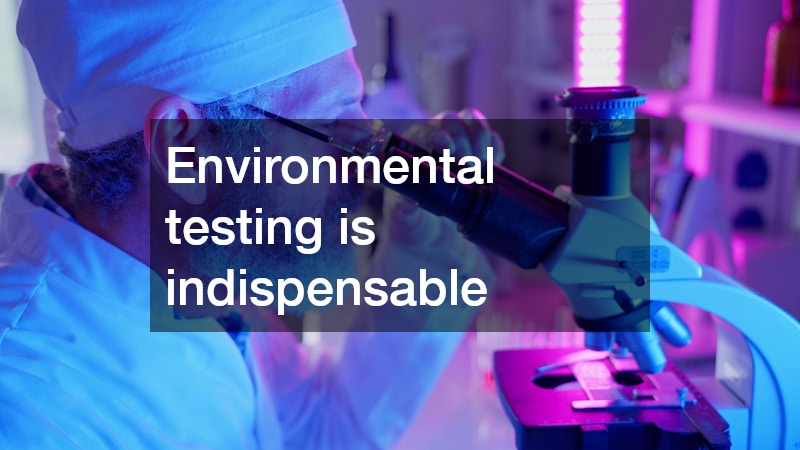
Environmental testing is indispensable in ensuring a safer and sustainable future. By understanding its significance and addressing common concerns, both individuals and industries can leverage environmental testing to make informed decisions and promote ecological well-being. As environmental test chambers continually improve testing efficiency and accuracy, we are better equipped to face future challenges and steward our natural world responsibly.