
Introduction
A full home improvement project is rarely just one job. It is a coordinated effort involving structure, design, infrastructure, and outdoor functionality. When approached correctly, it can significantly improve comfort, efficiency, and long-term property value. When approached without structure, it often leads to delays, budget overruns, and inconsistent results.
Successful property transformation depends on understanding how all systems work together. Interior upgrades such as kitchens and bathrooms influence plumbing and electrical planning, while outdoor changes like grading, drainage, and landscaping affect foundations and long-term durability. Even decorative upgrades are tied to structural decisions made earlier in the process.
One of the most important principles in large-scale improvement is sequencing. Structural and foundational work must always come first, followed by mechanical systems, then interior finishes, and finally exterior detailing and landscaping. Skipping or reversing this order often results in rework and unnecessary costs.
Equally important is coordination. Multiple trades working independently without communication can create conflicts that slow progress. A unified plan ensures that each stage supports the next, creating a smoother workflow and more consistent outcome.
Another key consideration is material compatibility. Choices made in one phase can directly affect performance in another. For example, improper drainage design can undermine landscaping, while poorly planned outdoor grading can affect interior moisture levels. Understanding these relationships helps homeowners avoid expensive corrections later.
Budgeting also plays a critical role in successful execution. Large projects require not only upfront estimates but also contingency planning for unexpected conditions such as hidden structural damage or soil issues. A realistic financial plan allows for flexibility without compromising quality.
This guide breaks down each major area of home and property improvement into actionable steps. It focuses on planning, execution, and long-term maintenance strategies that help homeowners make informed decisions and avoid common mistakes.
Establish a Strong Project Foundation for Large-Scale Upgrades
Every successful property transformation begins with clearly defined goals. Before any work begins, homeowners must determine what they want to achieve—whether it is increased living space, improved functionality, enhanced curb appeal, or higher resale value. Without this clarity, projects often expand beyond their original scope.
Home renovations require careful coordination of multiple systems, including structural, electrical, plumbing, and finishing work. A general contractor plays a central role in managing these moving parts, ensuring that timelines, permits, and subcontractors remain aligned.
Key planning steps include:
- Defining the full scope of work before demolition begins
- Establishing a realistic budget with contingency funds
- Identifying necessary permits and inspections early
- Creating a phased schedule for each stage of construction
A general contractor also helps prevent common issues such as trade overlap, material delays, and inconsistent workmanship. Their oversight ensures that each phase transitions smoothly into the next, reducing downtime and avoiding costly mistakes.
Homeowners should also establish clear communication channels with their contractor. Regular updates, progress reports, and site walkthroughs help maintain accountability and ensure expectations are met.
Upgrade Key Interior Spaces for Maximum Daily Impact
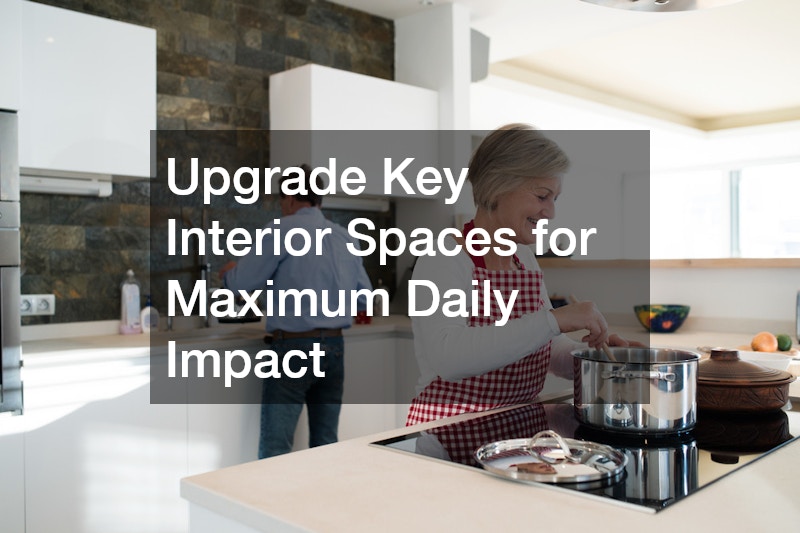
Interior spaces such as kitchens and bathrooms have the highest impact on daily living. These areas also provide some of the strongest returns on investment when properly designed and executed.
Kitchen remodeling should focus on workflow efficiency. The layout must support the natural movement between cooking, cleaning, and storage areas. Poor layout design often leads to wasted space and daily inconvenience.
Key kitchen planning considerations:
- Efficient placement of sink, stove, and refrigerator
- Adequate countertop space for preparation
- Durable, heat-resistant materials for high-use areas
- Strategic lighting for both task and ambient needs
Bathrooms require a different focus, emphasizing moisture control, ventilation, and durability. A bathroom remodeling company ensures that waterproofing, drainage, and material selection are properly handled.
Important bathroom improvements include:
- Proper ventilation systems to prevent mold growth
- Slip-resistant flooring for safety
- Waterproof wall and shower systems
- Efficient storage solutions for small spaces
Both kitchens and bathrooms should be designed with long-term usability in mind, not just aesthetic trends. Durable materials and functional layouts reduce maintenance needs and increase property value.
Improve Outdoor Living with Durable and Functional Structures
Outdoor living spaces have become essential extensions of modern homes. A well-designed deck enhances usability, entertainment capacity, and property value.
A professional deck builder evaluates several factors before construction begins, including soil stability, elevation, sunlight exposure, and intended use. These considerations determine size, materials, and structural design.
Key planning factors include:
- Load-bearing requirements for safety and durability
- Material selection based on weather resistance
- Proper drainage to prevent water damage
- Integration with existing landscape features
Composite materials are often chosen for their low maintenance, while natural wood offers a traditional aesthetic but requires more upkeep.
Additional design considerations:
- Built-in seating or storage features
- Multi-level layouts for visual interest
- Accessibility from main living areas
- Lighting for nighttime usability
A well-built deck should feel like a natural extension of the home rather than an afterthought.
Strengthen Property Foundations and Outdoor Hard Surfaces
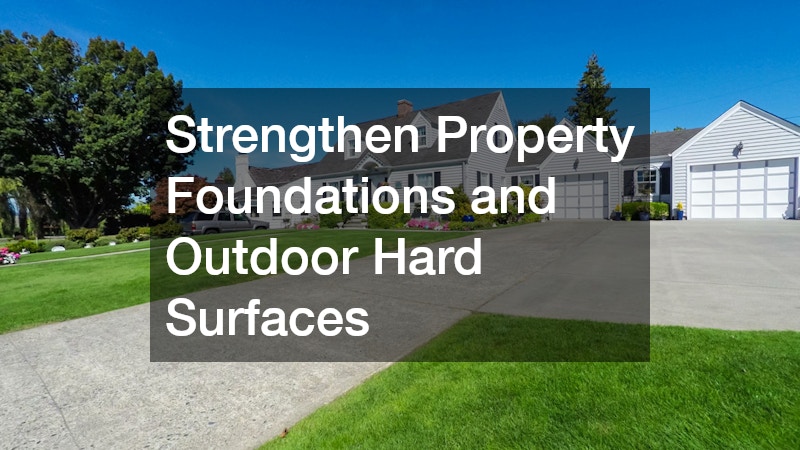
Concrete plays a critical role in both structural integrity and outdoor functionality. It is used in driveways, walkways, patios, foundations, and retaining structures.
Proper concrete services begin with site preparation. Without correct grading and compaction, even high-quality concrete can crack or shift over time.
Essential steps in concrete planning:
- Proper soil compaction before pouring
- Accurate grading for water drainage
- Reinforcement using steel or fiber materials
- Expansion joints to reduce cracking
Finishing options also influence both appearance and durability. Stamped, brushed, or polished finishes can enhance aesthetics while maintaining strength.
Maintenance considerations include:
- Sealing surfaces to prevent moisture penetration
- Repairing cracks early to avoid expansion
- Preventing water pooling around edges
Well-installed concrete structures provide long-lasting stability and support for both functional and decorative elements of the property.
Enhance Privacy, Security, and Property Boundaries
Fencing plays a key role in defining property boundaries, improving security, and enhancing visual appeal. A professional fencing company helps homeowners select materials and designs that match both functional and aesthetic needs.
Common fencing materials include wood, vinyl, metal, and composite options. Each offers different levels of durability, maintenance, and privacy.
Key considerations include:
- Purpose: privacy, security, or decoration
- Height and visibility requirements
- Local zoning and property regulations
- Maintenance expectations over time
Installation must account for terrain variations, soil conditions, and property layout. Poor installation can lead to leaning, gaps, or premature wear.
Additional benefits of fencing include:
- Improved safety for children and pets
- Reduced noise from surrounding areas
- Enhanced curb appeal and property value
Proper planning ensures that fencing complements the overall property design rather than standing as an isolated feature.
Improve Outdoor Aesthetics Through Strategic Landscaping

Landscaping is one of the most visible and influential aspects of property design. A landscape designer creates a structured plan that balances beauty, functionality, and environmental sustainability.
Key design principles include:
- Plant selection based on climate and soil conditions
- Seasonal color variation for year-round appeal
- Efficient irrigation planning
- Balance between hardscape and softscape elements
A lawn care service ensures ongoing maintenance, including mowing, fertilization, aeration, and weed control. Without consistent care, even the best-designed landscape can lose its appeal.
Important maintenance strategies:
- Scheduled mowing and trimming cycles
- Soil health monitoring and fertilization
- Irrigation system optimization
- Pest and weed management
Together, design and maintenance create a cohesive outdoor environment that enhances both usability and appearance.
Maintain Tree Health and Manage Property Safety Risks
Trees provide shade, beauty, and environmental benefits, but they can also pose risks if not properly maintained. A tree clearing service helps manage overgrowth, disease, and structural hazards.
Tree removal is necessary when trees become unstable, diseased, or interfere with construction projects. However, it should always be approached with careful evaluation.
Key assessment factors:
- Leaning or unstable trunks
- Dead or decaying branches
- Root damage affecting foundations
- Interference with power lines or structures
Tree clearing also plays an important role in preparing land for construction or landscaping projects. After removal, stump grinding and land restoration ensure the area is safe and usable.
Proper management helps maintain safety while preserving the overall health of the property’s ecosystem.
Build Functional and Long-Lasting Outdoor Surfaces
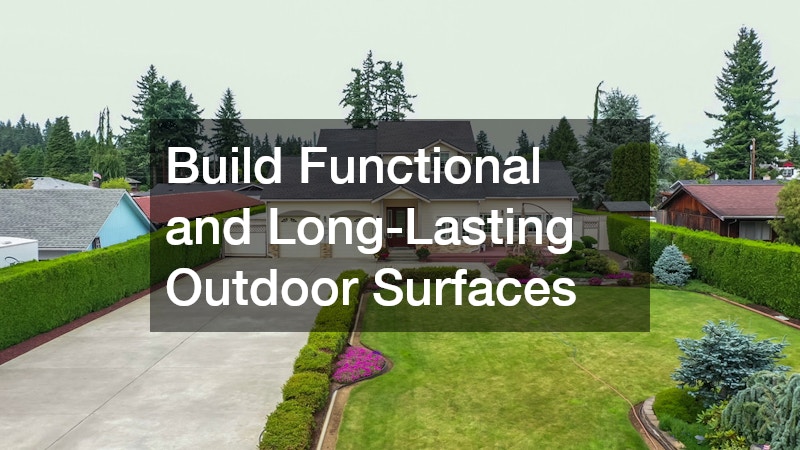
Concrete integration across landscaping, fencing, and structural design requires careful coordination. When properly planned, it enhances both functionality and visual flow across the property.
Key integration strategies include:
- Aligning walkways with landscape design paths
- Coordinating fence posts with concrete foundations
- Ensuring proper drainage around paved areas
- Matching finishes for visual consistency
Timing is also critical. Concrete work should be completed before landscaping or fencing installation to avoid damage or rework.
Long-term durability depends on proper curing, sealing, and maintenance. Seasonal inspections help identify early signs of wear.
Coordinate Multiple Contractors for Efficient Project Execution
Large-scale home improvement projects require coordination between multiple professionals. Without proper planning, scheduling conflicts and communication gaps can delay progress.
Effective coordination includes:
- Sequencing structural work before finishing work
- Scheduling inspections at key project milestones
- Maintaining clear communication between trades
- Tracking progress against a master timeline
A centralized plan ensures that each contractor understands their role and timing within the larger project.
In addition to these core practices, successful coordination also depends on establishing a single point of contact—often a general contractor or project manager—who oversees all moving parts. This reduces confusion and ensures that decisions are made quickly when unexpected issues arise. Digital project management tools can also help by providing real-time updates, shared schedules, and documentation access for all teams involved. Regular site meetings further improve accountability and allow contractors to address conflicts before they escalate into delays. When communication and structure are consistent, multi-contractor projects run significantly more smoothly and efficiently.
Budgeting and Planning for Full Property Transformation
Financial planning is essential for managing large renovations. Costs can vary widely depending on materials, labor, and project complexity.
Smart budgeting practices include:
- Setting aside contingency funds for unexpected issues
- Prioritizing structural and functional upgrades first
- Obtaining multiple estimates for comparison
- Breaking large projects into phases
Proper budgeting ensures that homeowners can complete projects without compromising quality or exceeding financial limits.
Beyond basic budgeting, it is also important to evaluate long-term cost efficiency rather than just upfront expenses. Higher-quality materials or more experienced contractors may require a larger initial investment but often reduce maintenance and repair costs over time. Homeowners should also consider seasonal pricing fluctuations, as construction costs can vary depending on demand. Tracking all expenditures in a detailed format helps identify overspending early and allows for adjustments before the project is impacted. A well-structured financial plan provides stability throughout the entire renovation process.
Maximizing Property Value Through Strategic Improvements
Not all upgrades deliver equal returns. Strategic improvements focus on enhancing both usability and resale potential.
High-impact improvements include:
- Kitchen and bathroom upgrades
- Structural and foundation improvements
- Outdoor living spaces like decks and patios
- Professional landscaping and curb appeal enhancements
Balancing personal preferences with market trends ensures long-term value.
To further maximize return on investment, homeowners should also consider energy efficiency upgrades such as improved insulation, modern windows, and efficient HVAC systems. These improvements not only increase property value but also reduce ongoing utility costs, making the home more attractive to future buyers. Additionally, maintaining a consistent design style throughout the property helps create a cohesive visual appeal that strengthens overall market perception. Strategic improvements should always focus on durability, functionality, and broad buyer appeal rather than overly personalized design choices.
Conclusion
A successful home transformation is not defined by a single renovation or upgrade, but by how well all elements of the property work together over time. When planning, execution, and maintenance are aligned, the result is a home that is not only visually appealing but also structurally sound, efficient, and adaptable to future needs.
Every major improvement—whether structural, mechanical, or aesthetic—has a ripple effect across the entire property. For example, exterior grading influences foundation stability, landscaping affects drainage patterns, and interior remodeling can impact airflow and energy efficiency. Recognizing these connections is essential for avoiding costly long-term issues.
Long-term property performance depends heavily on consistency. Routine maintenance, periodic inspections, and timely repairs help preserve the integrity of all systems. Without ongoing care, even high-quality construction and materials will degrade over time. A proactive maintenance mindset ensures that small issues are addressed before they become major problems.
It is also important to revisit the property periodically with a strategic perspective. As lifestyles change, so do functional needs. Spaces that once worked well may require adjustments, expansions, or redesigns. Outdoor areas may need reconfiguration for usability, while interior spaces may benefit from modernization or improved efficiency. Treating the home as an evolving system rather than a fixed structure allows for smarter long-term decisions.
Financial planning continues to play a key role even after major projects are completed. Setting aside resources for maintenance, upgrades, and unexpected repairs ensures that the property remains in strong condition without creating financial strain. This long-term approach is what separates reactive homeowners from strategic property owners.
Ultimately, a well-executed home improvement strategy is about balance—balancing structure with design, short-term needs with long-term goals, and aesthetics with functionality. When all these factors are managed together, the property becomes more than just a living space; it becomes a stable, efficient, and high-performing environment that continues to deliver value for years to come.
