
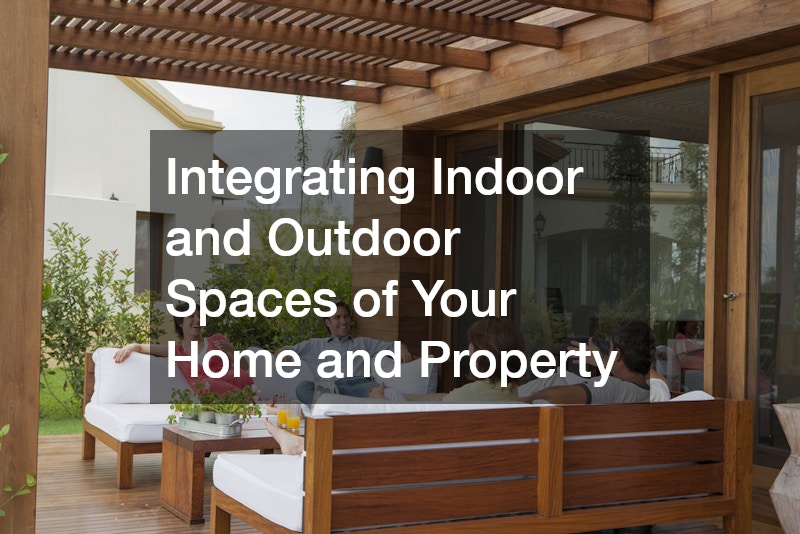
For decades, traditional residential architecture treated the home and the yard as entirely separate entities. The house was a sealed box designed to keep the elements out, while the yard was a separate outdoor plot meant for occasional maintenance or recreation. Today, our understanding of residential design has fundamentally shifted. Homeowners now view their entire property as a single, continuous living environment where the boundary between interior comfort and exterior nature completely dissolves.
When you successfully merge your indoor and outdoor areas, you do not just improve the look of your house; you fundamentally alter how you experience your daily life. This design philosophy expands your usable square footage without the massive structural footprint of a traditional room addition. It brings therapeutic natural light deeper into your living spaces and invites the calming sights and sounds of nature indoors, which significantly reduces daily stress. Furthermore, a property that flows effortlessly from the entryway straight through to the back boundary line commands a premium market value. Achieving this level of integration requires a thoughtful mix of structural planning, material selection, utility coordination, and aesthetic continuity. This guide provides a comprehensive roadmap to transforming your property into a unified sanctuary.
Designing Seamless Physical Transitions
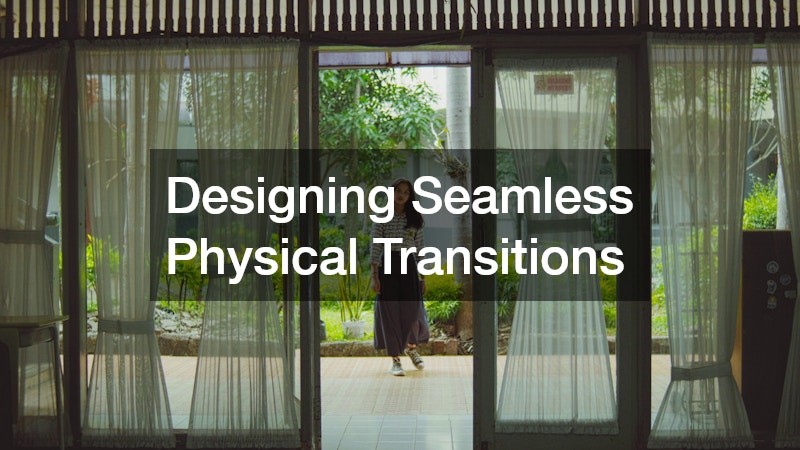
The primary barrier to indoor-outdoor integration is often the physical transition point itself. When a person steps from a living room onto a back patio, any sudden drop in height or dramatic shift in materials breaks the illusion of continuity. To create a seamless flow, you must address both the physical threshold underfoot and the vertical barriers that block your view.
Leveling the Threshold for a Continuous Walkway
A perfectly flush transition is the gold standard of modern architectural integration. Traditional homes often feature a step down of several inches from the interior floor to the exterior deck or patio, a design originally intended to keep rainwater from entering the house. Overcoming this requires sophisticated drainage strategies and precise framing alignment.
- Flush Sill Drainage: Specialized linear drainage channels can be installed directly beneath a flush track to capture sweeping rain and divert it away from the framing.
- Material Harmonization: To trick the eye into seeing one massive room, extend the interior flooring material outside, or use a near-identical companion material. For instance, large-format porcelain tiles that are rated for both indoor use and frost-resistant outdoor use allow the exact same floor pattern to cross the glass line.
- Early Structural Coordination: Achieving a perfectly flat transition requires deep structural planning. Working closely with general contractors early in the design or renovation phase ensures that the indoor floor joists and the outdoor patio foundation are poured or framed at the exact depths required to accommodate your chosen finishes.
Maximizing Sightlines with Multi-Slide Glass Doors
If the floor provides the physical connection, the walls provide the visual invitation. Small, standard back doors or traditional double-hung windows isolate the interior. Replacing these restrictive barriers with expansive glass walls instantly shifts the focus of your indoor rooms toward the beauty of your property.
- Architectural Glass Systems: Multi-slide, bi-fold, or pocketing glass doors can completely disappear into wall cavities, entirely eliminating the physical barrier between rooms during pleasant weather.
- Framing Profiles: Select thin-profile aluminum or steel frames that minimize visual interruption even when the doors are completely closed.
- Discreet Sun Protection: Expansive glass walls invite immense sunlight, which can cause interior fading and heat gain if left unmanaged. Implementing high-end window treatment services allows you to install recessed, motorized solar shades that drop down automatically during the hottest hours of the day and roll up completely out of sight when you want to maximize your view.
Elevating Below-Grade and Low-Level Living
While main-floor spaces are the most intuitive candidates for outdoor integration, lower levels and daylight basements are frequently neglected. These subterranean areas often suffer from a lack of natural light and a feeling of confinement, yet they possess immense potential to become premier indoor-outdoor entertainment zones if handled correctly.
Transforming Walk-Out Zones into Sunlit Lounges
A basement should never feel like a secondary storage vault or a dark bunker. If your property features a slope, you have a prime opportunity to carve out an open-air transition that makes the lower level feel just as grand as the main floor.
- Excavating for Light: Even if your basement is fully below-grade, you can excavate a portion of the earth directly outside the walls to create a sunken courtyard, allowing full-sized glass doors to be installed.
- Aesthetic Continuity: Carry the premium trim, wall finishes, and lighting styles of your main floor down into the lower level. A high-quality basement finishing project should focus heavily on maximizing daylight exposure, utilizing open-concept floor plans, and creating a direct architectural path to the outdoors.
- Reflective Elements: Use light-colored wall paints, mirrors placed opposite exterior glass doors, and polished floor finishes to bounce the incoming natural light deep into the recessed corners of the lower level.
Managing Slopes with Tiered Hardscaping
When dealing with a sloped grade or an excavated sunken courtyard, managing the surrounding earth is both a structural necessity and an artistic opportunity. The transition from the lower level up to the main lawn should feel like a natural progression rather than a harsh climb.
- Terraced Layouts: Instead of building a single, towering vertical wall that blocks out the sky, design a series of shallow, stepped terraces. This creates a much softer transition and prevents the lower courtyard from feeling claustrophobic.
- Built-In Functionality: Terraced steps can be designed wide enough to serve as overflow bench seating, while the flat tops of the terraces can host vibrant planting beds.
- Structural Engineering: Heavy earth moving and retaining walls require precise calculation to manage hydrostatic pressure and water runoff. Utilizing professional retaining wall services ensures that these massive structures are engineered with proper gravel backfills, filter fabrics, and weep holes so they remain stable and beautiful for decades.
Crafting the Perfect Outdoor Living Room
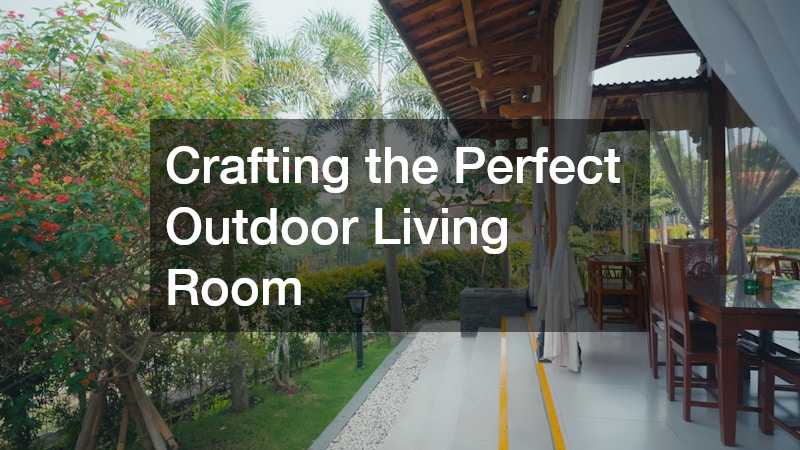
Once the physical and visual transitions are established, the outdoor space itself must be curated with the same intentionality as any interior room. An open patch of grass rarely invites long-term lingering; it needs structure, definition, and comfort to truly function as an extension of the home.
Establishing a Durable Foundation Underfoot
Just as an interior living room relies on an area rug or distinct flooring to define its boundaries, an outdoor living space requires a solid, well-defined floor plan. The material you choose sets the tone for the entire outdoor experience.
- Zoned Floor Plans: Divide your outdoor area into specific functional zones—such as a dining space, a lounging hearth, and an outdoor kitchen area—by varying the layout patterns or materials of the ground surface.
- Material Integrity: The ground material must withstand intense weather while remaining comfortable underfoot. Working with an experienced paving contractor allows you to select premium natural stone, architectural concrete pavers, or outdoor porcelain slabs that complement the color palette of your interior design while offering excellent slip resistance and durability.
- Scale and Proportion: Ensure the scale of your outdoor pavers matches the scale of your indoor flooring. Large indoor tiles look best when paired with large-format outdoor slabs, maintaining a uniform visual weight across both spaces.
Framing the Space with Living Canvas
Plants should not merely sit on the margins of your property; they should be used as architectural elements that define spaces, soften hard lines, and create a sense of privacy.
- Layered Planting: Position low-growing flora closest to the seating areas and taller, broad-leafed varieties further back to create a sense of depth and enclosure.
- Indoor Integration: Place large potted specimens inside your glass doors that match the plant varieties growing immediately outside on the patio. This visual repetition makes the glass barrier seem almost invisible.
- Sensory Engagement: Design a lush, multi-tier garden right against the patio framework. Incorporate aromatic herbs like rosemary and lavender alongside rustling ornamental grasses. This positioning ensures that whenever the glass doors are thrown open, breezes carry delightful scents and soothing natural sounds directly into your interior rooms.
Managing the Canopy, Microclimate, and Utilities

A beautiful indoor-outdoor space is only successful if it is comfortable to use and easy to maintain. Managing natural elements like sunlight, shade, power, and water requires a technical approach to property management.
Balancing Shade and Sunlight Safety
Large trees are invaluable assets for indoor-outdoor integration. They provide structural scale, soften the architectural lines of the house, and offer a natural cooling canopy that shields your expansive glass walls from blistering summer heat. However, mature trees require active management to remain safe companion elements to your home.
- Solar Heat Regulation: Deciduous trees are perfect additions near southern or western glass exposures; they provide thick shade during the hot summer months to lower your cooling costs, then drop their leaves in the winter to let welcome solar warmth penetrate deep into your home.
- Sightline Optimization: To maximize your views from the inside looking out, trees must be pruned to elevate their structural canopy, clearing out messy lower branches that block the horizon.
- Risk Mitigation: Heavy branches hanging directly over glass walls or premium outdoor patios pose a serious safety hazard. Engaging professional tree services on a regular basis allows you to safely thin out dense crowns, remove hazardous deadwood, and inspect root systems to keep your property beautiful and structurally secure.
Powering and Watering the Extended Living Space
To make an outdoor area feel truly livable, you must extend the core utility infrastructure of your home out into the environment. Relying on temporary extension cords or dragging garden hoses across a premium patio completely destroys the sophisticated, integrated aesthetic.
- Weatherproof Power Zones: Install ample outdoor outlets, dedicated circuits for cooking appliances, and hardwired data lines for outdoor entertainment systems.
- Main Panel Integration: Heavy outdoor electrical demands require a safe connection to your primary home infrastructure. Utilizing expert residential electrical services ensures that your home panel is properly upgraded, all outdoor wiring is run through protective conduits, and ground-fault circuit interrupter protection is correctly implemented to keep your outdoor kitchen and entertainment systems running safely in all weather conditions.
- Subsurface Hydration: Potted plants, vertical green walls, and patio-side gardens require consistent moisture to look their best. To avoid the unsightly clutter of manual hoses, install a fully automated irrigation system beneath the hardscaping. This system can be equipped with smart weather sensors and subsurface drip lines that deliver precise hydration directly to plant roots without wasting water or splashing mud onto your clean patio stones and glass windows.
Illuminating the Continuity at Night
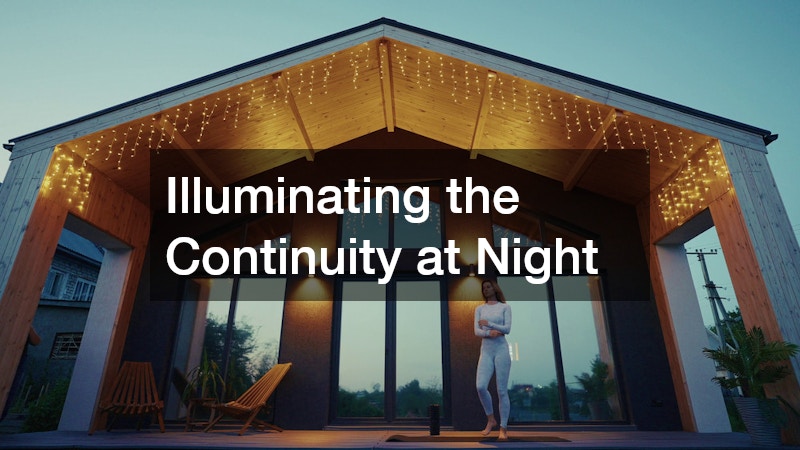
The illusion of indoor-outdoor integration often shatters the moment the sun goes down. If the interior of the home is brightly lit while the exterior property is pitch black, your expansive glass walls instantly transform into massive, dark mirrors. Instead of looking out into a beautiful landscape, you only see your own reflection, which creates a claustrophobic, closed-in feeling. Controlling this contrast requires a sophisticated approach to nighttime lighting.
Layering Low-Voltage Lights for Depth and Visual Warmth
The goal of outdoor lighting in an integrated design is not to flood the yard with harsh, bright light, but rather to gently paint the landscape with light, drawing the eye out into the property.
- Color Temperature Match: Always match the color temperature of your outdoor lights with your indoor lighting. If your interior spaces utilize warm, inviting tones around 2700K, your exterior fixtures should feature the exact same warmth to prevent a jarring visual clash.
- Visual Depth: Avoid mounting bright floodlights directly to the back of the house, as this flattens the landscape and creates harsh shadows. Instead, place subtle fixtures further out into the yard to illuminate key focal points from different angles.
- Strategic Placement: By installing premium low-voltage landscape lighting around the perimeter, you can highlight the unique textures of stone walls, cast gentle uplight into the branches of mature trees, and softly illuminate walkways. This thoughtful technique extends your sightlines far past the glass doors, making your interior rooms feel expansive and connected to the dark night sky.
Integrating the indoor and outdoor spaces of your property is a transformative design approach that fundamentally improves the way you interact with your home. By thoughtfully addressing floor levels, maximizing visual sightlines, upgrading lower living zones, and treating your outdoor areas with the same design discipline as your interior spaces, you break down the restrictive boundaries of traditional living. True integration is achieved when architecture and nature work in harmony, creating a cohesive environment where your daily life can easily flow outside. While a project of this scale requires careful planning and coordination with various property professionals, the result is a beautifully unified estate that provides comfort, utility, and inspiration for years to come.
