
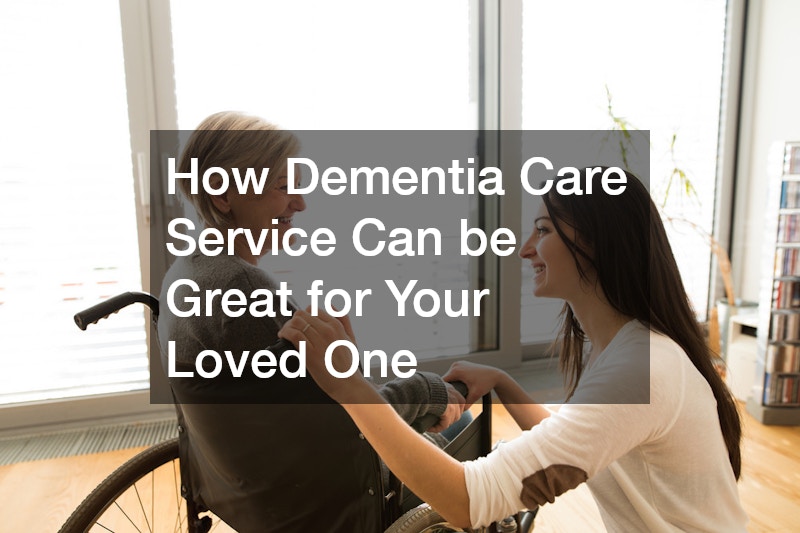
Dementia care services play a crucial role in supporting individuals diagnosed with dementia and their families. Understanding the impact of these services is essential in making informed decisions that ensure the well-being and happiness of your loved ones. These care services are designed to provide both medical and emotional support, adapting to the changing needs of patients. With the increase in the aging population, there is a growing demand for specialized care solutions that offer quality and personalized assistance.
Recognizing the advantages of dementia care can transform the caregiving experience and greatly improve the quality of life for both patients and their caregivers.
Dementia affects millions of individuals worldwide, presenting challenges in both cognition and daily functioning. This neurodegenerative disease often requires comprehensive care solutions that extend beyond basic healthcare. Family members may find it difficult to cope with these demands alone, which is where dementia care services come into play. These services are equipped to handle a wide range of issues associated with dementia, ensuring safety and providing peace of mind. Understanding these benefits can guide families towards choosing the best care solutions for their loved ones.
What are the Benefits of Dementia Care Services?
Improved Quality of Life
Specialized dementia care services prioritize the enhancement of life quality for those living with this condition. By focusing on individual needs and providing tailored care plans, they ensure comfort and dignity at every stage of the disease. Care plans often include structured routines, therapeutic activities, and a supportive environment that promotes independence and satisfaction in daily living. These services also monitor and manage symptoms effectively, reducing stress and anxiety commonly associated with dementia. Overall, dementia care services transform the living conditions of patients, aiming to make each day fulfilling.
Regular interaction and social engagement play pivotal roles in improving a patient’s quality of life. Dementia care services provide numerous opportunities for patients to engage in meaningful activities, thus enhancing their emotional and psychological well-being. Whether it’s musical therapy, art classes, or simply storytelling sessions, these services create pathways for enjoying activities that patients love. Such engagements also foster connections with others, alleviating feelings of isolation or loneliness. Continuous interaction encourages healthier social behavior and cognitive stimulation, both of which are vital for mental health.
Equally important is the role of professional caregivers who are trained to handle the complexities of dementia with empathy and patience. They build relationships based on trust and understanding, which greatly contribute to the emotional equilibrium of the patients. Caregivers offer not only medical support but also companionship, helping to forge a sense of security and trust. Such relationships are particularly meaningful for patients, providing emotional comfort and affirming their sense of identity. Their presence ensures that every need is attended to promptly, further enhancing the patient’s overall experience within the care setting.
Personalized Care Plans
One of the hallmarks of dementia care services is their focus on personalized care plans that cater to the individual needs of patients. Personalization begins with comprehensive assessments conducted by healthcare professionals to understand the unique challenges and requirements of each patient. These assessments inform the crafting of tailored care plans that address not only medical needs but also psychological and social aspects. Such plans are adaptable, evolving alongside the progression of dementia to continually meet the changing needs of the patient. Appropriately customized care ensures that patients receive the attention and support essential for optimal health and well-being.
Custom care plans include diverse activities designed to stimulate cognitive activity and enhance mental acuity. From brain games to reminiscence therapy, these mental exercises are instrumental in maintaining cognitive abilities and delaying the progression of symptoms. Physical activities such as dance or gentle exercise are also incorporated to support physical health, mobility, and overall vitality. These curated programs respect the capabilities and interests of each patient, fostering participation and enjoyment. Personalized care therefore leverages various therapies to nurture both body and mind, actively involving patients in their care journey.
How to Choose the Right Dementia Care Service?
Identifying Specific Needs
Choosing the right dementia care service begins with accurately identifying the specific needs and preferences of your loved one. Each person’s experience with dementia is unique, making it essential to understand the particular requirements associated with their condition. Assessments should cover emotional, social, and medical needs, providing a comprehensive overview that guides the selection process. Family members should take the time to document these aspects, considering both current needs and potential future alterations as the disease progresses. This groundwork sets a solid foundation for selecting services that align with and effectively support the unique life of the patient.
Additionally, families should evaluate the environment in which services are provided, ensuring it is conducive to comfort and well-being. Factors such as location, accessibility to outdoor spaces, and the atmosphere within the facility can have a significant impact on the patient’s satisfaction. Visits to facilities allow families to witness firsthand the dynamics within the environment, offering insights into whether it matches the personality and preferences of their loved one. Observing interactions between staff and current residents can also provide a preview of the quality and nature of care offered. These evaluations inform families of the adequacy of the service in meeting their loved one’s needs.
Consultation with healthcare professionals can also guide families towards making informed choices that resonate with medical recommendations. Doctors, therapists, or geriatric specialists can provide input that highlights key aspects of care needed for specific cases of dementia. A professional perspective complements family insights, enabling a balanced view that encompasses both clinical and personal preferences. Such consultations may also reveal specialized services that match specific medical conditions, ensuring optimal care. By merging professional advice with family observations, the process of selecting the right dementia care service becomes more comprehensive and effective.
As dementia continues to be a pertinent concern globally, the reliance on effective dementia care services is expected to grow. These services not only attend to immediate health concerns but also provide strategic long-term solutions that prioritize dignity and respect. The information shared in this article aims to guide families in understanding the scope and impact of dementia care services. Armed with this knowledge, families can confidently explore options that best support their loved ones’ journeys. In doing so, they embrace a compassionate approach that recognizes and uplifts the unique stories of those who live with dementia.