
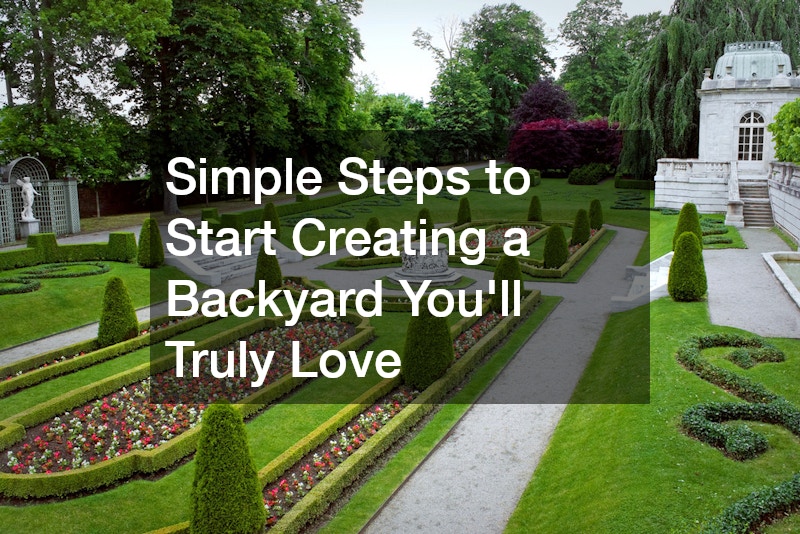
A beautiful outdoor space does not appear overnight. It develops gradually through thoughtful choices, small improvements, and a growing understanding of how you and your family actually use the space. Many homeowners dream of relaxing evenings outside, hosting gatherings, and having an attractive yard that feels welcoming year-round. But when you first walk outside and see patchy grass, clutter, or areas that simply feel unfinished, it can be overwhelming to figure out where to begin. The good news is that transforming a yard does not require dramatic projects right away. Instead, small, intentional steps can lead to major changes over time. When you focus on comfort, functionality, and long-term planning, you build a space that reflects your style and supports your lifestyle. Taking time to plan now will help ensure that you are truly creating a backyard you will enjoy for years instead of rushing into choices you later regret.
Understanding How You Want the Space to Function
Before you move a single plant, furniture piece, or decorative item, it is essential to understand how you want the space to function. Some people prefer quiet environments meant for reading or meditating. Others envision an active yard filled with children, pets, and social gatherings. Think about your home’s indoor layout as well. Outdoor design should feel like an extension of those living areas, not a completely separate environment. Walking from the kitchen to the patio should feel natural and practical, especially if you plan on serving meals or entertaining outside.
This is also the time to create a realistic wish list. Write down everything you think you want: a garden bed, seating area, shade, a fire pit, improved lighting, or an outdoor cooking station. Then categorize each item as now, soon, or someday. This prevents rushed spending and helps you see progress as each stage is completed. Over time, this thoughtful planning becomes a foundation for creating a backyard that genuinely matches your lifestyle.
Another valuable exercise is observing your yard at different times of the day. Notice where sunlight hits in the morning versus afternoon, and identify any natural pathways. Also consider privacy. Do certain parts of the yard feel exposed to neighbors? Are there areas where you would like more enclosure? These details will guide future planting, screening, and layout decisions. Good design always begins with awareness instead of guesswork.
Keeping the Outdoor Environment Comfortable and Safe
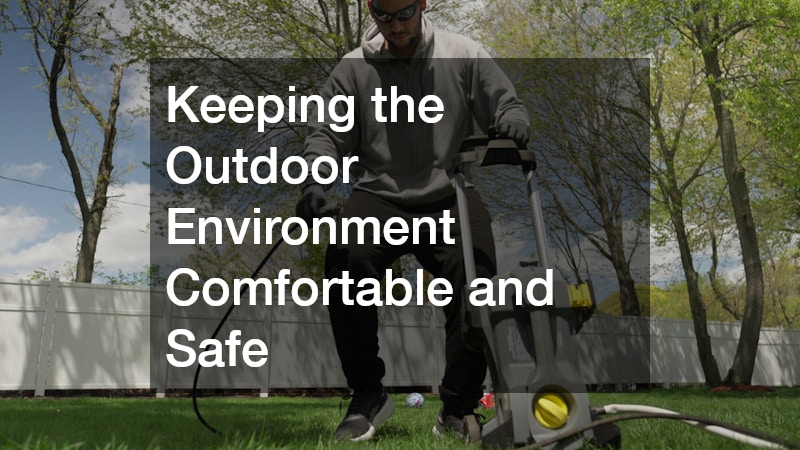
Even the most stylish yard will not get much use if it feels uncomfortable or unsafe. Bugs, uneven surfaces, and hidden hazards can discourage both children and adults from spending time outside. By addressing these concerns early, you ensure that improvements you make later will truly be enjoyed.
Start with essential maintenance tasks. Remove any debris, fallen branches, or objects that create tripping risks. Walk the yard slowly and imagine how guests might navigate it in the evening when visibility drops. Exterior lighting, whether solar, wired, or motion-sensing, can play a huge role in both safety and atmosphere. Lighting along pathways or near seating areas encourages people to linger comfortably after the sun goes down.
Comfort also means keeping unwanted insects under control in responsible ways. When mosquitoes and other pests dominate a yard, gatherings move indoors quickly. Many homeowners benefit from working with outdoor pest control services that use targeted treatments rather than harsh chemicals applied randomly. Professional guidance helps maintain a healthy ecosystem while reducing the frustrations that come with seasonal pests. Once your yard feels safer and more pleasant, family members are far more likely to enjoy using it regularly. Thoughtful safety planning becomes another crucial step in creating a backyard that encourages relaxation instead of worrying about bites or injuries.
Protecting Pollinators While Managing Stinging Insects
Pollinators such as bees play an important role in gardens. Without them, many plants would produce fewer flowers, fruits, and vegetables. Still, there are times when stinging insects build nests in locations that are too close to doorways, play areas, or high-traffic paths. Balancing safety with environmental care requires the right approach.
Instead of attempting DIY nest removal, homeowners should prioritize professional help. Specialists who offer bee & wasp removal understand how to relocate or eliminate dangerous nests without needlessly harming beneficial species. They also know how to identify whether an observed hive poses a genuine risk or can safely be left alone.
Beyond immediate problems, consider designing your yard to encourage pollinators in less risky areas. Flowering plants placed away from seating zones attract bees, allowing them to work undisturbed. Choose species that bloom at different times throughout the season, offering food sources from spring through fall. Birdbaths and shallow water dishes provide hydration, while avoiding stagnant puddles that might attract mosquitoes.
By combining smart pollinator-friendly planning with safe nest management, you maintain a healthier ecosystem overall. Families gain peace of mind knowing that stinging insects are appropriately controlled while nature continues to thrive. These thoughtful efforts reinforce the broader goal of creating a backyard that is both environmentally conscious and welcoming to everyone who steps outside.
Making Smart Decisions About Trees and Shade
Trees bring life, beauty, and structure to any yard. They provide natural shade, reduce cooling costs in summer, and can dramatically improve curb appeal. However, trees also require informed care. Ignoring their condition may lead to safety hazards, especially during storms.
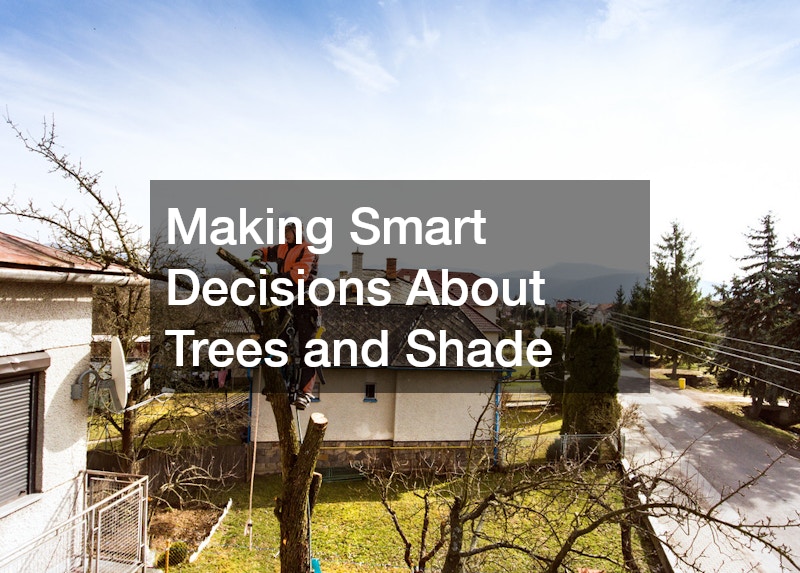
Begin with an honest evaluation of your existing trees. Are any leaning dangerously or showing signs of disease? Have large limbs begun hanging over roofs, driveways, or utility lines? In situations where a tree is unstable or dead, you may need local tree removal to prevent future damage. Removing a tree is not always a negative step, as it can make room for healthier plantings, increase sunlight for gardens, or create space for outdoor seating and play areas.
For trees that remain, ongoing maintenance is key. Professional tree pruning services help shape growth, remove hazardous branches, and stimulate healthier development. Proper pruning also improves airflow through the canopy, which can reduce the spread of disease. Young trees benefit from early structural pruning because it encourages strong branch patterns as they mature.
Planning for shade is equally important. Instead of planting trees randomly, think strategically. Where does the afternoon sun feel most intense? Where would shade enhance your enjoyment of the yard without blocking natural light inside your home? Planting with intention ensures your trees support long-term plans rather than becoming obstacles later. Each thoughtful decision contributes to creating a backyard that feels balanced, protected, and visually appealing.
Defining Boundaries and Privacy the Right Way
A comfortable yard often includes clear boundaries that provide security and privacy while contributing to overall style. Whether your property sits close to neighboring homes or you simply enjoy the feeling of a defined space, choosing the right barrier can make a tremendous difference.
Modern options go far beyond traditional, utilitarian enclosures. You might explore decorative panels, living hedges, or various fencing materials that complement your home’s exterior. When durability and protection are priorities, professional fencing solutions ensure the structure stands strong against weather, pets, and everyday wear. A well-installed fence becomes more than a barrier, acting as a visual frame that highlights your landscaping and organizes the layout.
If you prefer a natural aesthetic, wood fencing services can create warm, rustic lines that blend into gardens. Wood offers flexibility in terms of stains, styles, and heights, allowing you to customize the look. Pairing fencing with climbing plants or shrubs softens its appearance while adding greenery and texture.
Privacy does not need to be absolute. In some areas, partial screening is enough to create a sense of retreat without cutting off airflow and views. Lattice structures, pergolas, and decorative partitions provide gentle boundaries that feel inviting rather than confining. With the right balance, you will find yourself spending more time outside, confident that your space feels both personal and protected. This intentional boundary design is another milestone in creating a backyard that supports both relaxation and everyday living.
Designing the Heart of Your Outdoor Living Areas
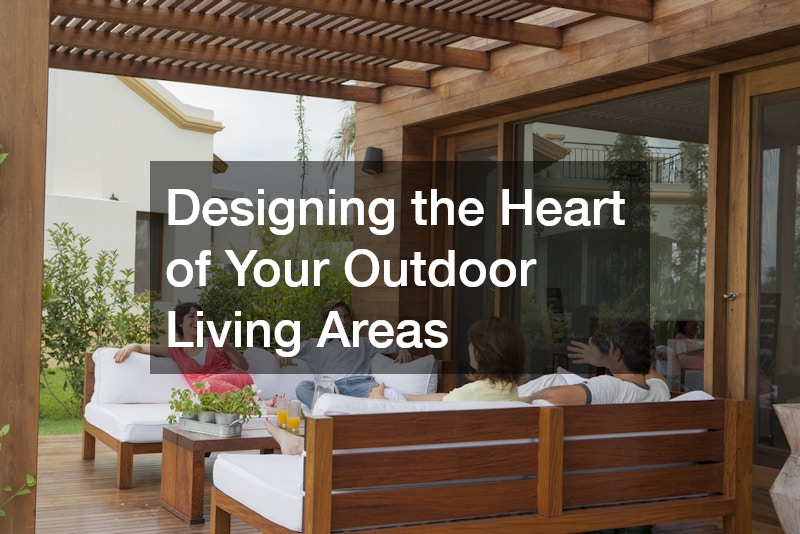
Every great outdoor space has one or more focal points where people naturally gather. It might be a dining table, cozy fire pit area, or lounge arrangement near the garden. Establishing these anchor spaces early helps guide future projects and prevents the yard from feeling scattered.
Think first about circulation. How will people walk from one area to another? Paths should not force visitors through muddy grass or across uneven ground. Instead, plan stepping stones, gravel walkways, or patio sections that define routes clearly. Professional hardscaping services can help design patios, retaining walls, steps, and pathways that are not only attractive but also structurally sound.
Comfort is key in gathering areas. Choose outdoor furniture designed to withstand weather and still feel supportive. Add layered lighting such as lanterns, string lights, or solar fixtures to create an evening ambiance. Accessories like outdoor rugs, throw pillows, and planters tie the seating area together visually, making it feel like a true extension of your interior spaces.
As you continue developing these zones, always revisit your initial plan. Does the placement still make sense as other elements evolve? Are you maintaining enough open space for play, pets, or gardening needs? Adjustments are normal and often necessary. The goal is not perfection but progress, incremental improvements that gradually shape the atmosphere you are working toward. Step by step, these updates play a major role in creating a backyard that welcomes conversation, dining, and quiet moments alike.
Improving Ground Surfaces and Structural Stability
Uneven ground, sinking walkways, or cracked surfaces can make a yard feel neglected and unsafe. Over time, soil shifts, weather changes, and aging materials contribute to areas that look worn or unstable. Fortunately, many issues can be corrected without fully replacing entire structures.
For example, driveways, patios, and slabs sometimes settle into the soil, creating dips or hazardous cracks. Rather than pouring new concrete, some homeowners benefit from working with concrete leveling companies that raise existing surfaces back to their intended position. This improves appearance, reduces tripping risks, and extends the life of the original material.
Walk every pathway and entry point. Imagine guests arriving for the first time, and consider what they might notice. A smooth walkway, tidy plantings, and stable steps communicate care and intention. As these surfaces become safer and more inviting, they support your broader goal of creating a backyard that feels thoughtfully maintained rather than patched together. Subtle structural fixes often make the biggest difference in how confidently people move through your outdoor areas.
Managing Waste, Utilities, and Practical Needs
Many homeowners think primarily about aesthetics when improving their yard, but practicality plays an equal role. Utility components, waste storage, and hidden maintenance systems all contribute to how smoothly the property operates. Ignoring them often leads to frustration later.
Start with unseen essentials such as your septic system, if you have one. Routine septic tank pumpings prevent backups, odors, and landscape damage. Maintaining these services keeps both indoor plumbing and outdoor areas functioning properly. Knowing that critical systems are cared for gives you peace of mind as you invest in visible features like gardens and patios.
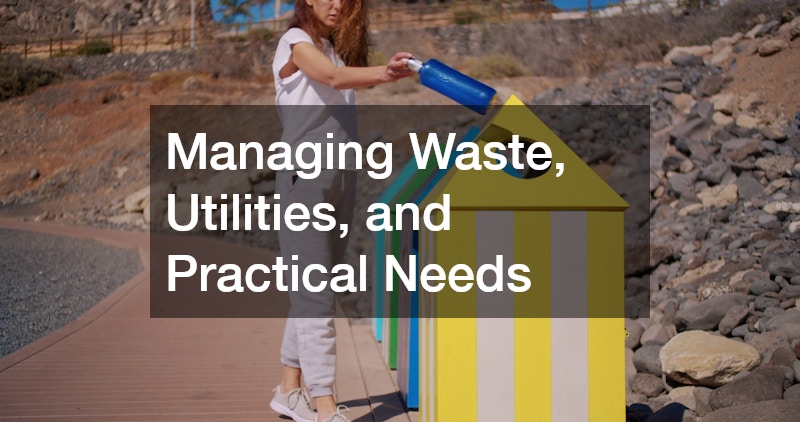
Clutter management is another overlooked element. When remodeling projects, clean-outs, or yard upgrades produce debris, having access to local dumpster rental options allows you to dispose of materials safely and efficiently. A temporary dumpster makes it easier to stay organized, rather than piling items around the property until you can schedule multiple trips to a landfill.
When utility zones are intentionally planned, the entire yard feels calmer and more put-together. This attention to hidden details is a surprisingly important part of creating a backyard that works just as well behind the scenes as it does visually.
Bringing Plants, Color, and Life Into the Design
Once foundational elements such as safety, structure, and utilities are handled, you can finally shift focus to one of the most enjoyable aspects of outdoor design: planting. Plants bring energy, color, and seasonal interest to your yard. They soften hard edges created by fences, pathways, and patios while providing habitats for birds and butterflies.
Begin by choosing plants suited to your climate and soil type. Native species are often the most resilient and environmentally supportive because they evolved to thrive in local conditions. Mix evergreen shrubs with seasonal flowers to maintain interest even during cooler months. Taller plants at the back of beds and shorter varieties near the front create depth and structure.
Containers add versatility. Large pots filled with ornamental grasses or flowering annuals allow you to refresh color themes as the seasons change. They also help define spaces, such as framing a patio entrance or marking the start of a garden path.
When each planting choice supports both beauty and function, you strengthen the overall composition. Landscaping becomes more than decoration, evolving into a cohesive environment. By thoughtfully choosing greenery and coordinating colors, you continue creating a backyard that feels lively, nurturing, and uniquely your own.
With patience, planning, and steady effort, you will find that you are truly creating a backyard that reflects your values and enhances daily life.
