
Creating an outdoor space that supports how people actually live requires more than visual upgrades alone. A functional yard should feel like a natural extension of the home, offering comfort, accessibility, and flexibility throughout the year. Thoughtful planning allows outdoor areas to support everyday routines such as relaxing after work, hosting friends, or spending time with family without constant rearranging or maintenance challenges.
A well-executed outdoor plan considers traffic flow, elevation changes, shade, privacy, and durability. When these elements are addressed early, the result is a space that remains useful long after the novelty of new materials wears off. Instead of focusing solely on one feature, successful outdoor projects balance hardscape, landscape, and utility considerations to support consistent use. The following sections explore practical ways to improve outdoor usability through intentional design decisions. Each approach focuses on functionality first, helping homeowners create spaces that remain comfortable, adaptable, and efficient across seasons and changing needs.
Designing Multi-Level Outdoor Areas for Daily Comfort
Elevation changes can dramatically influence how an outdoor space feels and functions. Sloped yards, uneven ground, or erosion-prone areas often limit how homeowners use their space daily. Addressing these challenges with retaining wall blocks allows for the creation of level zones that support seating, walkways, and planting areas without constant upkeep concerns.
When thoughtfully integrated, these structural elements help define distinct activity zones. A raised area can become a quiet seating nook, while a lower tier may support dining or open play. This separation allows multiple activities to happen simultaneously without crowding, making the yard more usable during everyday routines. Over time, these defined spaces contribute to smoother movement and better organization across the property.
From a practical standpoint, stabilized ground reduces water runoff issues and soil displacement that can interfere with regular use. This stability helps preserve lawn areas and prevents muddy patches from forming after rain. These benefits become especially noticeable in households that rely on outdoor spaces for frequent use rather than occasional gatherings.
In the context of a long-term backyard renovation, multi-level design supports adaptability. As family needs change, these zones can evolve without major reconstruction. Seating areas may transform into garden beds or entertainment spaces as priorities shift. The durability of the underlying structure ensures that these changes remain manageable over time. By focusing on elevation control early in the design process, homeowners create outdoor environments that feel intentional and accessible. Rather than working around limitations, the yard becomes a space that supports daily comfort and encourages consistent use throughout the year.
Expanding Usable Living Space With Elevated Structures
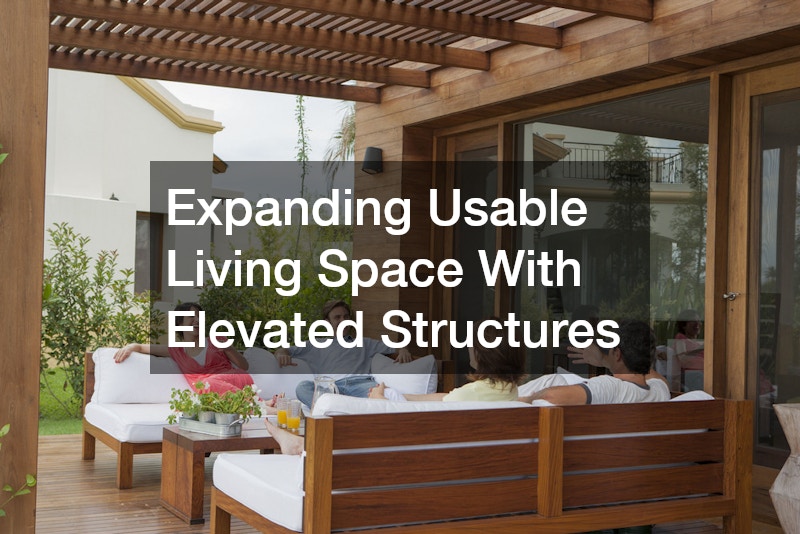
Outdoor living often benefits from surfaces that feel as stable and inviting as interior spaces. Raised platforms provide a transition between indoor and outdoor environments, offering a comfortable place to relax without stepping directly onto grass or uneven ground. Incorporating deck services into an outdoor plan helps establish this connection while expanding usable square footage.
These structures create reliable surfaces for furniture, cooking equipment, and foot traffic. Unlike lawns that may become worn or muddy, elevated platforms remain consistent under daily use. This reliability encourages more frequent outdoor activity, whether it involves morning coffee, evening meals, or quiet downtime. Placement plays a significant role in usability. When positioned near common indoor access points, these platforms reduce friction between spaces. This proximity encourages spontaneous use rather than requiring deliberate planning. Over time, this ease of access supports habits that naturally extend daily living outdoors.
As part of a comprehensive backyard renovation, elevated structures also support seasonal flexibility. Shade features, railings, and lighting can be added to extend use into different times of day or cooler months. These enhancements improve safety and comfort without altering the core layout. Maintenance considerations further reinforce their value. Durable materials reduce upkeep demands, allowing homeowners to focus on enjoyment rather than constant repairs. With thoughtful design and placement, elevated outdoor structures become foundational elements that support everyday routines while enhancing overall functionality.
Creating Cohesive Outdoor Environments Through Strategic Planning
A cohesive outdoor space feels unified rather than pieced together over time. Achieving this consistency often requires coordination across multiple design elements, including plantings, walkways, and functional zones. Working with a local landscaping service helps ensure that these components align with how the space will be used daily.
Rather than focusing solely on appearance, practical landscaping considers growth patterns, maintenance requirements, and seasonal changes. These factors influence how accessible and comfortable the yard remains throughout the year. Strategic plant placement can provide shade, define pathways, and create visual boundaries without restricting movement.
Functional landscaping also improves privacy and noise control, which directly affects how often homeowners use their outdoor spaces. Natural barriers can reduce exposure to neighboring properties or street noise, making the yard more inviting for everyday relaxation. These subtle improvements often have a significant impact on overall usability.
Within a larger backyard renovation, landscaping choices help tie hardscape and structural elements together. Consistent materials, complementary textures, and balanced spacing contribute to a sense of flow that supports intuitive movement. This cohesion reduces the feeling of clutter and encourages more frequent use. When outdoor environments are designed with both function and longevity in mind, they become easier to maintain and adapt. Thoughtful landscaping supports daily activities while allowing the space to evolve naturally over time, reinforcing its role as a reliable extension of the home.
Coordinating Complex Outdoor Projects for Long-Term Use
Outdoor upgrades often involve multiple components that must work together seamlessly. Managing these elements independently can lead to inconsistencies that affect usability. Involving general contractors helps streamline planning and execution, ensuring that structural, electrical, and surface elements align with long-term goals.
This coordination becomes especially important when outdoor spaces are intended for frequent use. Proper sequencing prevents issues such as drainage conflicts, uneven surfaces, or access limitations that could interfere with daily routines. A unified approach reduces the likelihood of retroactive fixes that disrupt usability. From a design perspective, coordinated planning supports cohesive transitions between features. Walkways connect naturally to seating areas, and utility access points remain discreet yet accessible. These details may seem minor, but they significantly influence how intuitive the space feels during everyday use.
In a full backyard renovation, centralized oversight also supports compliance with local codes and practical safety considerations. Ensuring that structures meet appropriate standards contributes to peace of mind and long-term durability. This reliability encourages homeowners to use their outdoor spaces without hesitation. Ultimately, thoughtful coordination transforms outdoor upgrades into integrated environments. By aligning design intent with practical execution, homeowners gain spaces that support daily life rather than complicate it.
Maintaining Open Space and Safety Through Selective Clearing
Overgrown or poorly placed vegetation can limit how outdoor spaces are used. Strategic clearing improves accessibility, visibility, and safety without eliminating the natural character of the yard. Incorporating tree removal services when necessary allows homeowners to reclaim usable space while addressing potential hazards.
Selective clearing enhances sunlight exposure, which directly affects comfort and usability. Increased light supports healthier plant growth and creates warmer, more inviting areas for seating or activity. These changes often make outdoor spaces feel larger and more open, encouraging regular use. Safety is another critical consideration. Removing compromised or overcrowded trees reduces the risk of falling limbs and root interference with walkways or structures. This proactive approach supports peace of mind, especially in spaces intended for family use.
As part of a broader backyard renovation, thoughtful clearing creates opportunities for new features without overcrowding the yard. Open sightlines improve flow and make navigation easier, which is essential for everyday functionality. Balancing preservation with practicality ensures that outdoor environments remain both inviting and manageable. When vegetation supports rather than restricts use, the yard becomes a space that naturally integrates into daily routines.
Enhancing Recreation and Relaxation With Water Features
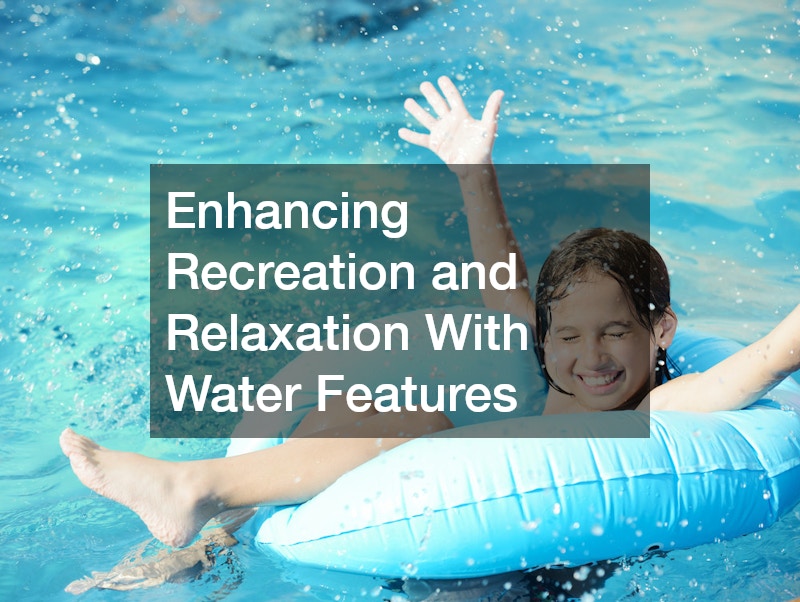
Water-based amenities often become focal points for outdoor activity, especially during warmer months. Thoughtfully designed installations from swimming pool contractors can support both recreation and relaxation without overwhelming the surrounding space.
Proper placement ensures that water features complement rather than dominate the yard. Accessibility, sightlines, and proximity to seating areas influence how frequently these features are used. When integrated smoothly, they encourage spontaneous use rather than feeling reserved for special occasions. Beyond recreation, water features contribute to environmental comfort. Evaporative cooling can moderate surrounding temperatures, making adjacent areas more pleasant during peak heat. This effect extends usability beyond the water itself.
In the context of a well-planned backyard renovation, water features also support visual balance. When paired with appropriate materials and landscaping, they enhance the overall atmosphere without disrupting functionality. By prioritizing usability and integration, water features become everyday assets rather than occasional luxuries. Their presence supports both active and passive enjoyment, enriching outdoor routines.
Supporting Infrastructure and Utilities for Seamless Outdoor Living
Functional outdoor spaces depend on more than visible features alone. Underlying systems such as drainage, shelter, and access points significantly affect long-term usability. Coordinating with roof consulting services and septic services ensures that outdoor improvements align with existing infrastructure and do not create limitations that surface later. These considerations influence how comfortably and reliably the space can be used daily.
Proper roofline planning influences water management and shaded areas, both of which affect comfort and maintenance. Thoughtful placement reduces runoff issues, limits erosion, and protects outdoor surfaces from excessive wear caused by repeated exposure to water and debris. When these elements are addressed early, they help preserve surrounding materials and reduce ongoing upkeep demands.
Similarly, awareness of underground systems prevents conflicts that could limit future flexibility. Respecting utility layouts allows for safe expansion and reduces the risk of disruptions that affect daily use. Clear planning also minimizes the likelihood of access restrictions that could interfere with routine maintenance or future enhancements.
Within a comprehensive backyard renovation, infrastructure planning supports reliability and longevity. When systems function efficiently and remain accessible, homeowners can focus on enjoyment rather than troubleshooting. This behind-the-scenes coordination ensures that outdoor spaces remain practical and adaptable, reinforcing their role in everyday living over time.
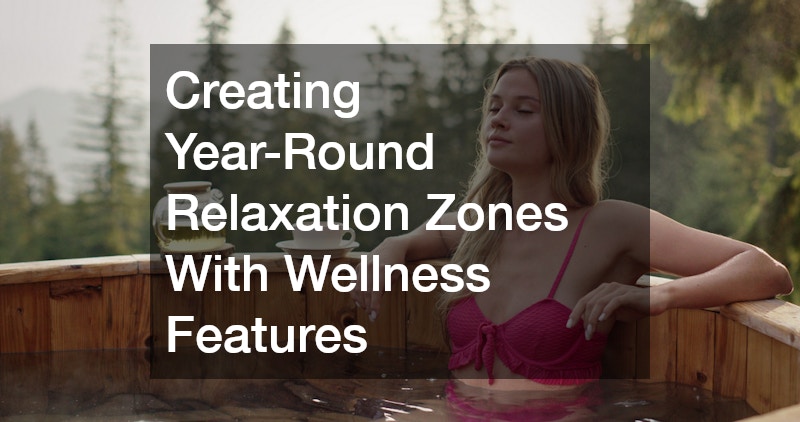
Creating Year-Round Relaxation Zones With Wellness Features
Comfort-driven amenities encourage consistent outdoor use beyond seasonal limitations. Installations from hot tub companies offer relaxation opportunities that extend usability into cooler months. When thoughtfully placed, these features integrate seamlessly with surrounding elements rather than feeling like standalone additions. Proper positioning helps maintain visual balance while preserving open circulation throughout the yard.
Accessibility and privacy are key considerations. Easy access from the home encourages frequent use, especially during colder weather or late evenings when convenience matters most. Strategic screening using fencing, greenery, or architectural elements enhances comfort without creating isolation. These design choices help wellness features feel protected while remaining connected to the rest of the outdoor space.
As part of a larger backyard renovation, these installations can anchor relaxation zones that support mental and physical well-being. Surrounding seating, slip-resistant surfaces, and soft lighting further enhance usability and safety. Thoughtful material selection also plays a role, ensuring surfaces remain comfortable underfoot in varying temperatures.
By focusing on comfort, placement, and ease of access, wellness-oriented features contribute to outdoor spaces that remain inviting throughout the year. These zones encourage regular use, supporting relaxation as a natural part of everyday routines rather than an occasional luxury.
Preserving Long-Term Functionality Through Ongoing Care
Sustained usability relies on regular upkeep and thoughtful maintenance planning. Coordinating with pool services ensures that water features remain clean, safe, and ready for use without disrupting routines. When systems are consistently monitored, minor performance issues can be addressed early, preventing larger problems that could limit access or comfort.
Routine care reduces downtime and extends the lifespan of outdoor amenities. This consistency supports spontaneous use, which is essential for integrating outdoor spaces into daily life. Clean surfaces, balanced systems, and reliable equipment make outdoor areas feel dependable rather than demanding, encouraging more frequent enjoyment.
In a well-executed backyard renovation, maintenance considerations are addressed from the start. Accessible systems, smart equipment placement, and durable materials simplify ongoing care and reduce the need for intrusive service visits. Planning for maintenance access also minimizes disruption to surrounding features.
By prioritizing long-term functionality, homeowners create outdoor environments that continue to support everyday use with minimal interruption, reinforcing the value of thoughtful planning, durability, and proactive care.
